
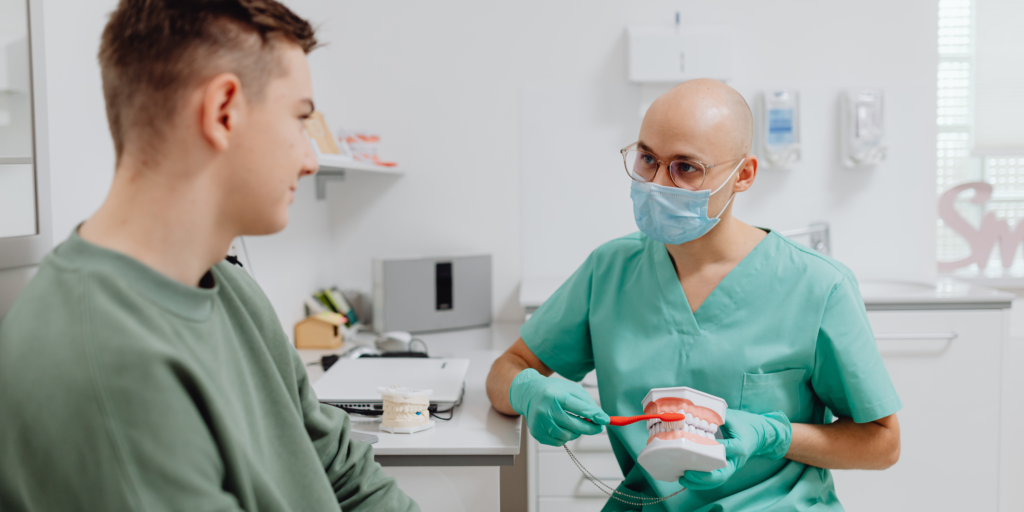
Knowing when to see a dentist can make a significant difference to your oral health. While regular dental check-ups are important, certain symptoms should never be ignored. Toothache, bleeding gums, persistent bad breath or increased sensitivity may indicate an underlying dental problem that needs attention.
For individuals and families, recognising these warning signs early can help prevent minor concerns from becoming more complicated.
At MedCentral Dental, we encourage patients to take a proactive approach to their oral health. Whether you have noticed a change in your teeth or gums or simply want to stay on top of your dental care, understanding when to seek professional advice is an important first step.
Here are seven signs that it may be time to book a dental appointment.
Toothache is one of the most common reasons people visit a dentist. Although occasional discomfort can have different causes, persistent or recurring tooth pain should not be ignored.
Dental pain may be associated with tooth decay, a cracked tooth, a damaged filling, gum problems or infection. Pain that worsens when chewing or eating hot or cold foods may also indicate an underlying issue.
You should arrange a dental assessment if you experience:
Avoid relying on pain relief alone to manage ongoing symptoms. Even if the pain temporarily disappears, the underlying problem may remain.
When to seek urgent care: Severe or rapidly worsening pain, facial swelling, fever or difficulty opening your mouth warrants urgent assessment. If you have difficulty breathing or swallowing, seek emergency medical care immediately.
If you are experiencing persistent toothache, contact MedCentral Dental to discuss arranging an appointment.
Healthy gums play an essential role in supporting your teeth. If your gums bleed when brushing or flossing, appear swollen or feel tender, it is worth arranging a dental assessment.
Bleeding gums can be an early sign of gingivitis, a common form of gum disease associated with plaque build-up. Without appropriate care, gum disease can progress and potentially damage the tissues and bone that support your teeth.
Other signs to watch for include:
Bleeding gums do not necessarily mean you need extensive treatment, but they should not be dismissed as normal.
A dentist can assess your gum health, identify contributing factors and recommend suitable treatment or preventive care.
Do you experience a sudden twinge when drinking cold water, enjoying a hot coffee or eating something sweet?
Occasional sensitivity can have several causes, including exposed tooth roots, worn enamel, gum recession, tooth decay or a cracked tooth.
You should consider seeing a dentist if the sensitivity:
Although desensitising toothpaste may help some people, it is important to understand why the sensitivity is occurring.
At MedCentral Dental, a dental assessment can help identify the possible cause and determine whether treatment or changes to your oral care routine are appropriate.
Do not ignore sensitivity that persists or interferes with your daily life.
Bad breath, also known as halitosis, is not always caused by the food you eat. If it continues despite regular brushing, flossing and tongue cleaning, it may indicate an underlying oral health issue.
Possible causes include plaque build-up, gum disease, tooth decay, dry mouth or bacteria accumulating on the tongue. In some cases, bad breath can also be associated with medical conditions or medications that contribute to dry mouth.
Consider booking a dental appointment if you notice:
A dental professional can examine your teeth and gums, help identify possible causes and recommend appropriate care.
If bad breath is affecting your confidence or everyday interactions, seeking advice is a practical step towards understanding and managing the problem.
A chipped or cracked tooth may seem like a minor issue, especially if it does not cause immediate pain. However, even small amounts of damage can leave a tooth vulnerable to further wear, sensitivity or infection.
Teeth can become damaged through accidents, biting hard foods, teeth grinding or existing tooth weakness.
Arrange a dental assessment if you notice:
Prompt assessment allows your dentist to evaluate the extent of the damage and discuss suitable options. Depending on the situation, treatment may range from smoothing a minor chip to restoring a more extensively damaged tooth.
If a tooth has been knocked out or significantly displaced following an injury, seek urgent dental care. A permanent tooth that has been knocked out requires immediate attention, as timely treatment can improve the chance of successful reimplantation.
If you experience a dental injury, contact a dentist promptly rather than waiting for symptoms to develop.
Most minor mouth ulcers heal within one to two weeks. However, sores, lumps or patches that persist should be examined by a dental or medical professional.
Changes inside your mouth can have many causes, and not all are serious. Nevertheless, early assessment is important because persistent abnormalities sometimes require further investigation.
Watch for:
Do not wait for a persistent sore to become painful before seeking advice. Some concerning oral conditions may not cause significant discomfort in their early stages.
A dentist can examine the affected area and advise whether monitoring, treatment or referral for further investigation is needed.
Adult teeth should not become loose without a reason. If a permanent tooth feels mobile, your bite suddenly feels different or gaps between your teeth appear to be changing, it is important to seek professional advice.
Possible causes include gum disease, dental trauma, teeth grinding or other problems affecting the supporting structures of your teeth.
Other warning signs include:
Early assessment may help identify the cause and determine whether treatment is needed to protect your remaining teeth and supporting tissues.
If a permanent tooth becomes loose following an injury, seek urgent dental care. Do not repeatedly wiggle the tooth to test its movement.
Not every dental symptom requires emergency treatment, but some situations should be assessed immediately.
Seek urgent dental advice for severe toothache, significant swelling, dental injuries or signs of a possible infection. Rapidly spreading facial or neck swelling, difficulty breathing or swallowing, or swelling that threatens your airway requires immediate emergency medical care.
If you are unsure how urgently you need an appointment, contact a dental professional and explain your symptoms.
Waiting for a routine check-up is not advisable when you have new, persistent or worsening symptoms.
Even if your teeth feel healthy, regular 6 monthly dental examinations remain important. Some dental problems, including early tooth decay and gum disease, may develop without noticeable symptoms.
Your dentist can assess your oral health, identify potential concerns and recommend an appropriate schedule for examinations and professional cleaning based on your individual needs.
Between appointments, help protect your teeth and gums by:
Maintaining these habits and attending recommended dental visits can help support your long-term oral health.
Your oral health deserves attention, and recognising warning signs is an important part of looking after your smile.
Whether you have toothache, bleeding gums, persistent sensitivity or another dental concern, seeking professional advice can help you understand the cause and explore appropriate treatment options.
At MedCentral Dental, we welcome patients who want to take a proactive approach to their dental health. We accept all health funds, and you can use our online booking portal to explore available appointment options.
Book an appointment with MedCentral Dental to discuss your symptoms and take the next step towards a healthier smile.
WESTFIELD KNOX
Westfield Knox Shopping Centre (Walk through from Priceline Pharmacy or MedCentral Knox) 1060/425 Burwood Hwy Wantirna South VIC 3152
OPENING HOURS
Weekdays: 9am to 5pm
Open Saturday: 9am to 3pm

Principal Dentist
Speaks English and Vietnamese
Born and raised in Melbourne, Dr Raymond has spent several years working across both private and public practices in metropolitan Melbourne and rural Victoria. This diverse experience has strengthened his ability to connect with individuals and families from all walks of life, allowing him to deliver care that feels both personalised and accessible.
With a strong focus on family dentistry, Dr Raymond is experienced in both general and cosmetic dentistry, supporting patients at every stage of life. He is particularly proficient in wisdom teeth extractions, and has a special interest in clear aligner treatment and smile makeovers – including porcelain veneers, crowns and bridges.
Known for his calm and reassuring manner, Dr Raymond is especially attentive to patients who may feel anxious about dental visits. He creates a relaxed, supportive environment designed to ease concerns and build trust over time. His goal is to make every appointment a positive experience and believes that visiting the dentist should feel comfortable, not confronting.
Outside the practice, he enjoys travelling, playing tennis, and spending quality time with family and friends.
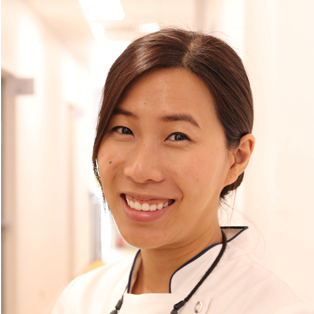
Currently on maternity leave
Dr Emily was born in Melbourne and was raised in the local Knox area. She even worked at the centre as a teenager. She previously worked in private practices across Melbourne, and has worked in the public sector at the Royal Dental Hospital of Melbourne. She also gained significant experience working as the Hospital Dental Officer at Monash Medical Centre where she treated medically compromised, special needs and cancer patients.
She enjoys most aspects of dentistry, including providing implants, crowns, cosmetic dentistry and working with children. She has a special interest in orthodontics (braces, clear aligners and early intervention). Dr Emily is currently completing a Post Graduate Diploma in Orthodontics to further her passion in this area. She loves helping her patients with clear aligner treatment so that they can smile confidently for life.
In her spare time, Dr Emily enjoys going out for good food, spending time with family and going on nature walks with her dog Chino.

Dr Lilian Phu graduated from the University of Melbourne with a Bachelor of Biomedicine (Honours) and Doctor of Dental Surgery. Her passion for helping people achieve their dental and oral health goals is reflected by the quality, care and attention she gives to each patient she encounters. Additionally, her friendly and bubbly nature will be sure to bring a smile on anyone’s face.
Dr Lilian is also a preclinical supervisor for dental students at Melbourne University, sharing her knowledge with the future generation of dentists.
In order to deliver the best dental care to her patients, she regularly attends continuing education courses and is currently undertaking a two-year postgraduate course in orthodontics. Dr Lilian has a special interest in implants and clear aligner treatment, and can talk to you about how you can improve your smile.
Outside of dentistry, she enjoys digital drawing and spending time with her loved ones including a dog and three cats.

Speaks English
Edward is a kind and caring dentist who is dedicated to providing his patients with high quality dental care while prioritizing patient comfort to ensure that his patients have a positive experience.
Edward believes in taking a more patient-centered approach to dental care, whether it be by providing information to patients about prevention of dental disease, or by providing and explaining all available treatment options so that patients can be fully informed about their oral healthcare.
Outside of work, you’ll find Edward playing volleyball or in the kitchen as he enjoys cooking dishes from many different cuisines from around the world.